Glass vs Plastic: the 2026 EU PPWR Guide
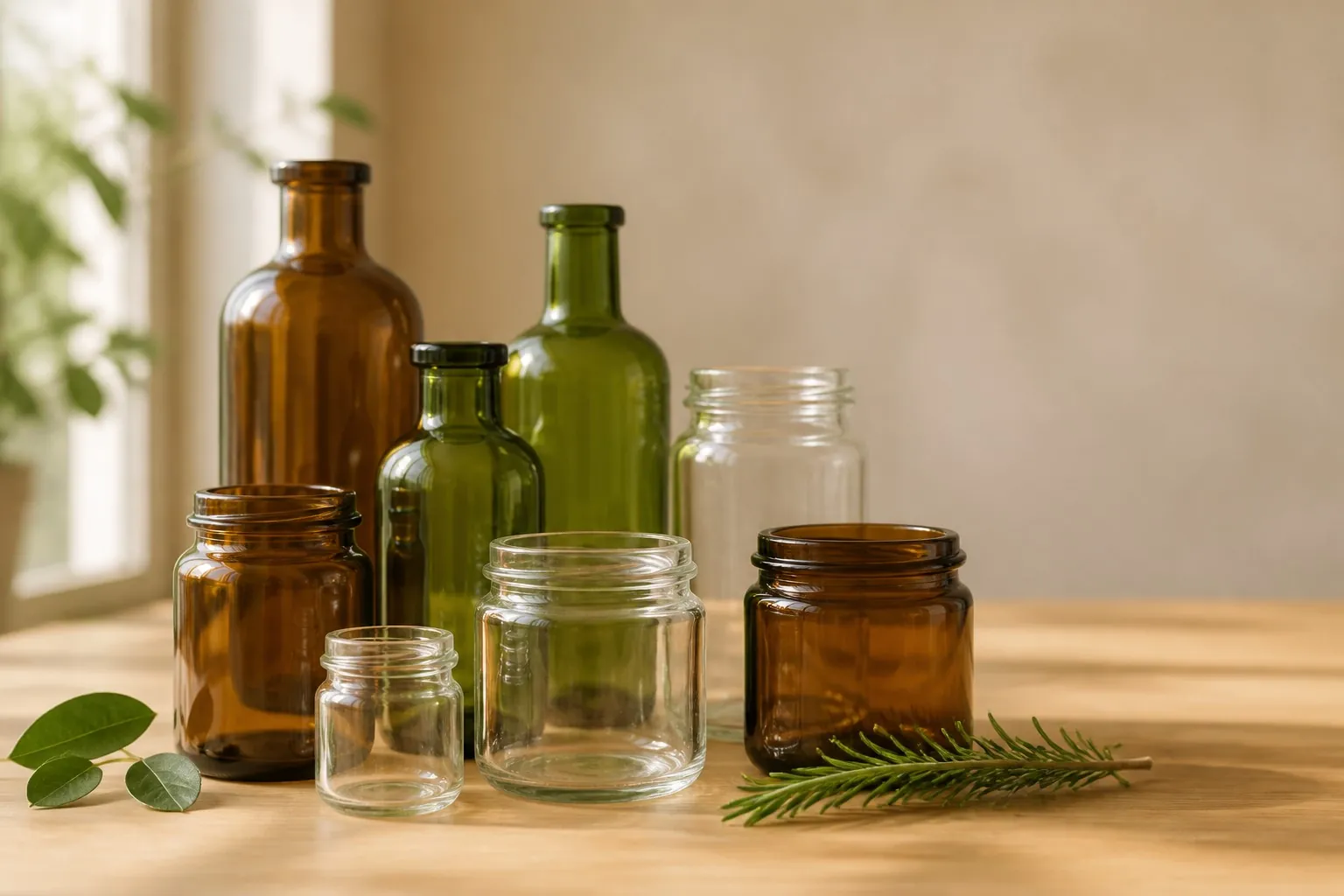
From 12 August 2026, the EU Packaging and Packaging Waste Regulation (PPWR) applies to every brand that sells packaged food and drink in Europe. By 2030, all packaging placed on the EU market must be recyclable in an economically viable way - and the materials with mature recycling loops, glass chief among them, are the ones that make compliance straightforward.
For brands deciding between glass and plastic, the regulation is the argument with a date on it. The rest of this guide covers what the PPWR actually requires, how glass and plastic compare on the metrics that matter, and what switching a line to glass costs in time and MOQ - the way stock glass packaging is quoted today at suppliers like GlassPacker.
What the EU PPWR actually requires
The PPWR entered into force in February 2025 and its main obligations apply from 12 August 2026 (European Commission). Three rules matter most to packaging decisions: all packaging must be recyclable by 2030, recycled content minimums rise for plastic, and member states must hit material-specific recycling targets.
Glass starts from a strong position. The European container glass federation (FEVE) is working toward a 90% glass collection-for-recycling rate by 2030, and EU member states must recycle 75% of glass packaging by weight within the same deadline (USDA GAIN). Plastic, by contrast, faces minimum recycled content of 30% in PET beverage bottles by 2030 - with documentation and tracing attached.
Glass vs plastic: where the data stands
Glass can be recycled indefinitely without losing quality. Cullet - crushed recycled glass - lowers the melting temperature of new glass, cutting production energy, and the same jar can return as a new jar. That closed loop is why glass scores at or near the top of every recyclability grading system.
For food, glass is chemically inert: no liner, coating or additive migrates into acidic, alcoholic or oil-based products. Shoppers consistently rate glass as the most premium and most recyclable packaging material, and several EU retailers have made refillable and glass formats part of their own packaging policies.
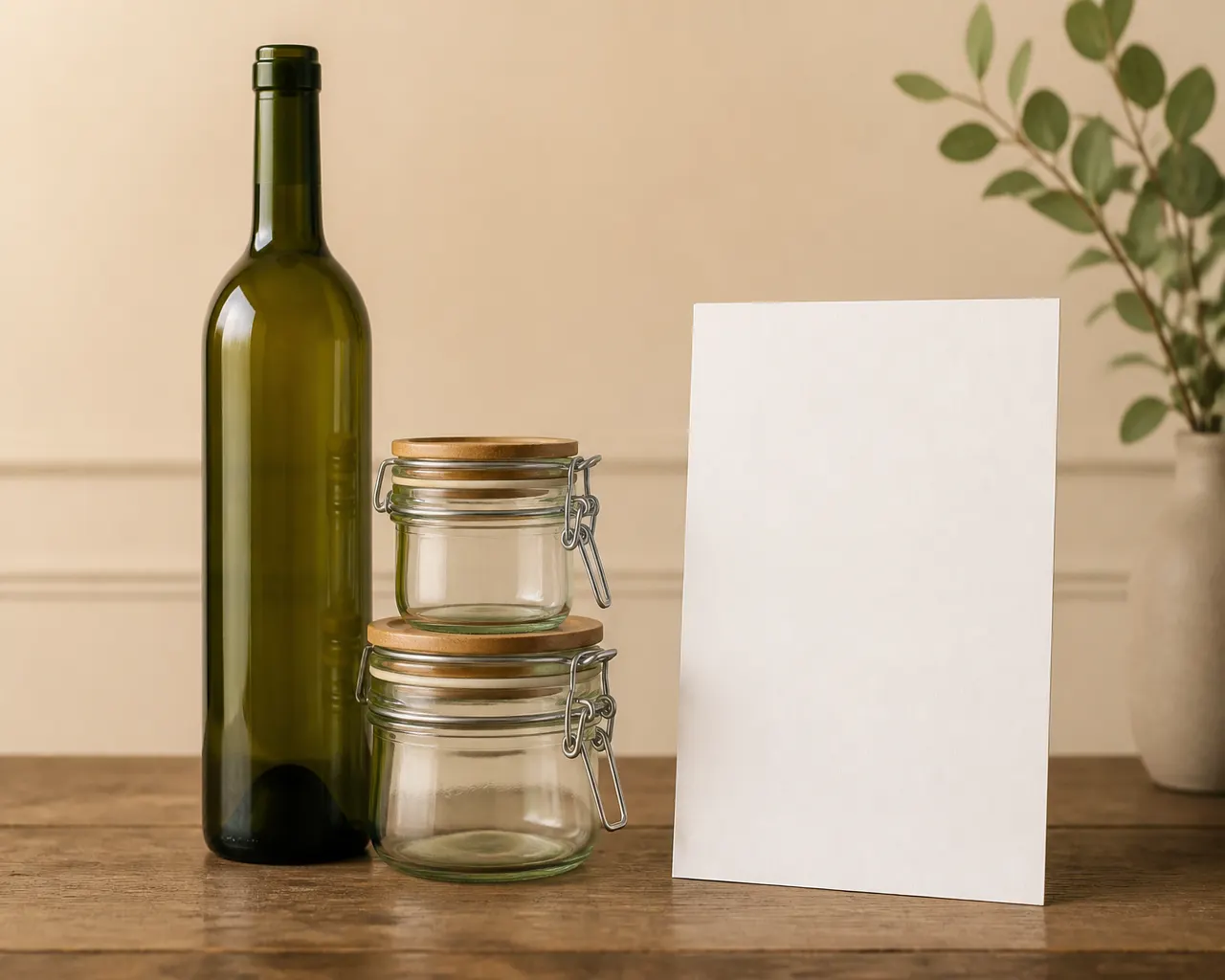
The trade-offs are weight and fragility. Glass is heavier to ship and needs proper carton packing, but both are solved design problems - a 500 g honey jar ships 24 pcs per export carton with dividers, and standard shapes keep breakage rates manageable at container scale.
What this means for food and drink brands
The practical consequences land in three places: design (recyclability scoring and material choice), recycled content (sourcing and documentation) and collection (labelling and EPR fees). Glass simplifies all three - the material already sits at the top of the recyclability scale, recycled content is available through cullet, and glass collection schemes are the most established in Europe.
That is why sourcing decisions are moving earlier in the product cycle. Suppliers like GlassPacker are seeing brands spec glass at the formulation stage, so capacity, finish and closure are agreed before the first production run rather than after.
One more cost to plan for is the EPR fee. Under the PPWR, producers pay extended producer responsibility fees modulated by recyclability — the better a material scores, the lower the rate. Glass’s mature collection loop keeps that fee predictable, while lower-scoring plastics carry a rising cost per tonne.
How to switch to glass without breaking your timeline
The fastest route to compliance is a stock shape: no new mold, no tooling queue. At GlassPacker, stock jars and bottles start at a MOQ of 1,000 pcs, samples take 7-10 days, and plain stock production runs in the 5–7 day band - in line with a well-run plastic order, without the recycled-content paperwork.
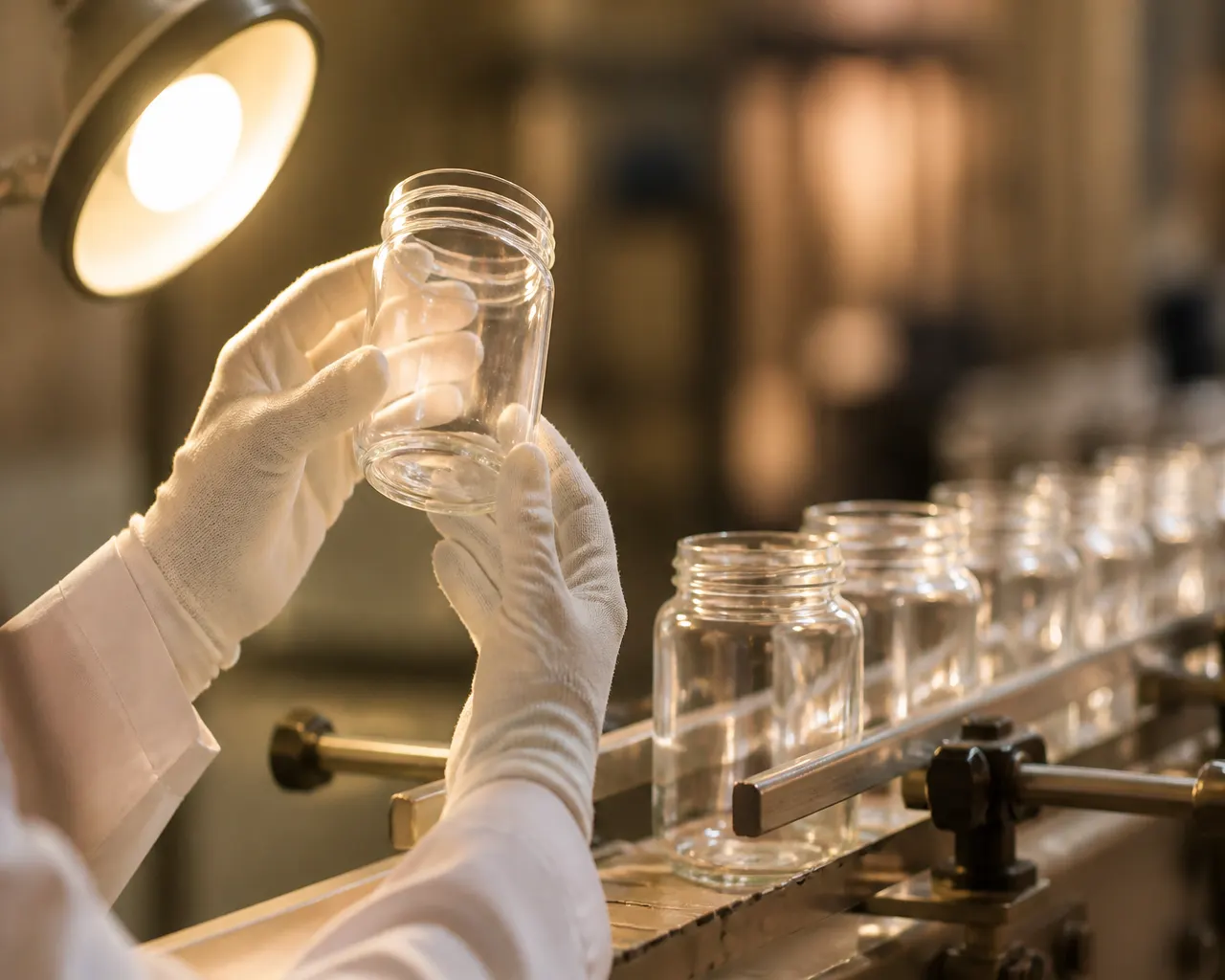
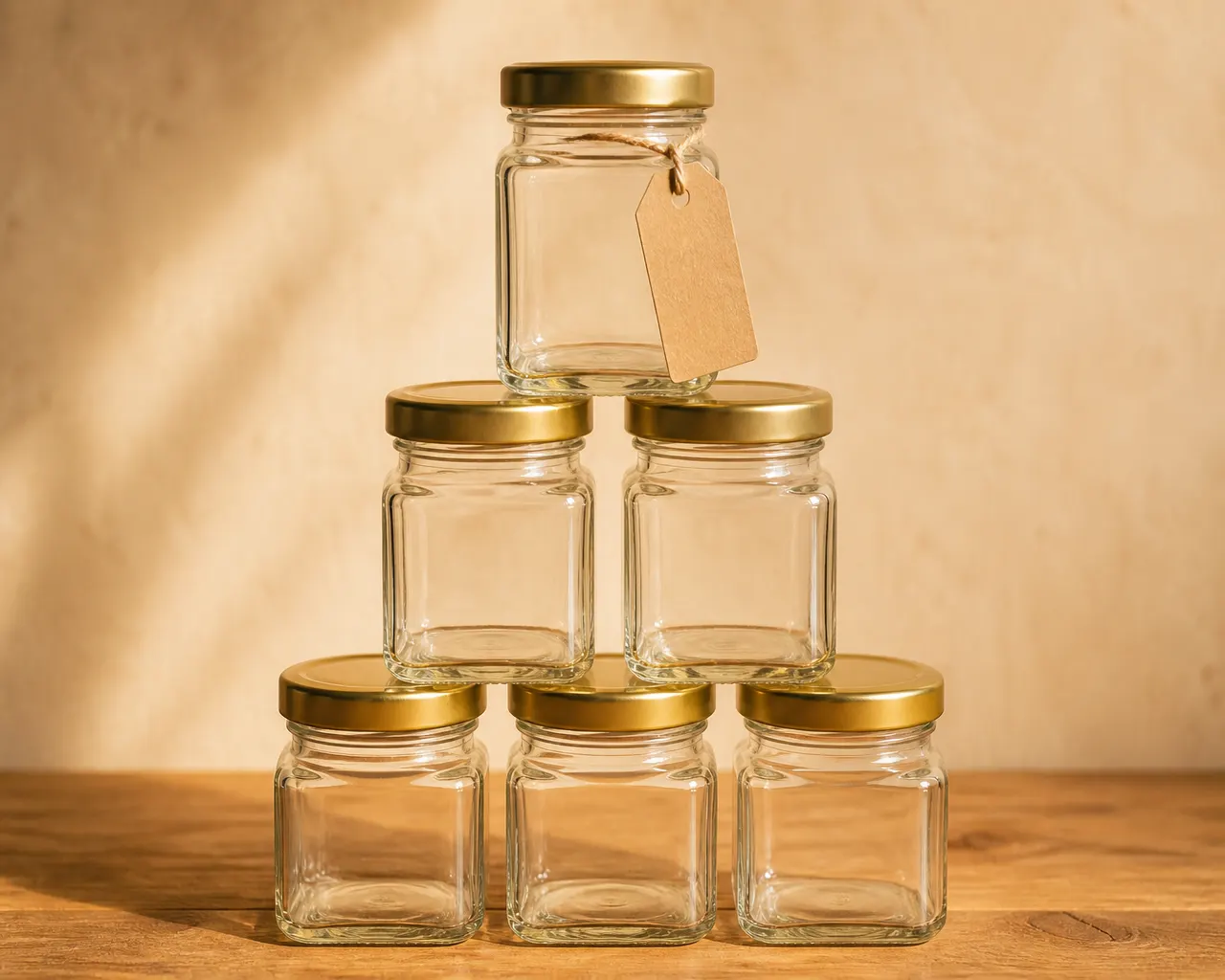
If the brand needs a custom shape, tooling is quoted once and stays brand-owned, and custom colors, embossing and closures can usually be added to a stock body. The constraint is standardization: the most cost-effective shapes stay close to stock molds, with differentiation applied through color, embossing and closures.
The GlassPacker PPWR data file: what we declare for recyclability reporting
For PPWR-facing RFQs we return a compliance block with every offer: mono-material glass construction with no polymer layers or coatings that hinder recycling, the achievable cullet share stated per colour, capacity and closure exactly as specified, an MOQ of 1,000 pieces per size and a 7–10 day sample window for stock shapes. The cullet share is quoted per colour because clear flint accepts less mixed cullet than amber or green.
The PPWR switching cost ladder: recyclability design checks and material statements are free with every quote; the paid steps are samples, colour matching and, where a new shape is needed, tooling — with mould ownership yours. Recycled-content targets and packaging-minimisation notes go into the same quotation document, so your packaging report has supplier-side numbers before you commit to a production run.
Quick answers
Is glass packaging recyclable under the PPWR?
Yes - glass is among the most PPWR-ready materials. It is infinitely recyclable without quality loss, EU collection schemes are mature, and the 2030 target of 75% glass recycling is close to being met in several member states.
Is glass more expensive than plastic?
Glass has a higher per-unit cost and heavier freight, but the gap narrows at container scale, and glass avoids the recycled-content compliance costs that plastic faces. For premium and light-sensitive products, glass often pays for itself at the shelf. The stock glass jar and bottle shapes are where that per-unit cost is lowest, because no tooling is added to the first order. PPWR sits beside food-contact rules; the compliance answers cover the material side for EU buyers.
How long does it take to switch a product to glass?
With a stock shape: samples in 7-10 days, production in the 5–7 day band, and roughly 25-35 days of sea freight to the EU or US. Decorated or custom-colour runs sit in the 25–40 day band; a custom mold adds its tooling window but keeps the shape brand-owned for the life of the product.
The PPWR deadline is set; the packaging decision is not. If you are evaluating glass for a jar or bottle line, send your capacity, filling method, closure preference and destination country - we quote MOQ, tooling, samples and lead time in one reply.
Leave a comment
No comments yet — be the first to share your thoughts.