DDP shipping explained: what Delivered Duty Paid means
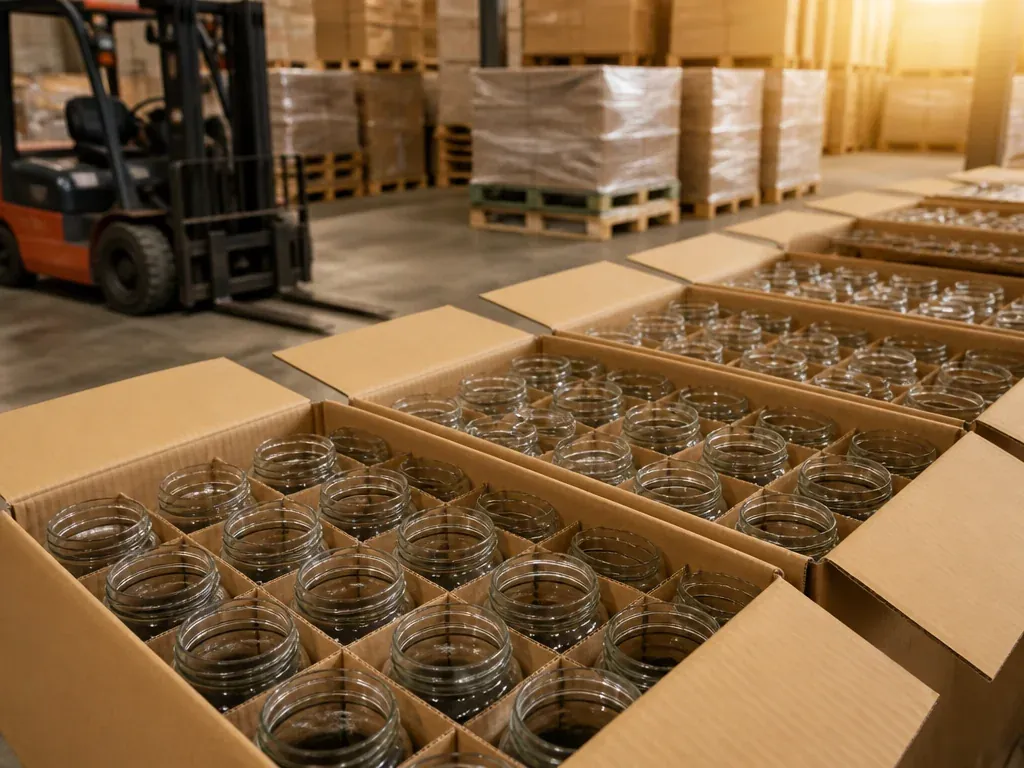
DDP — Delivered Duty Paid — is the Incoterm that moves the most responsibility onto the seller. When a supplier quotes DDP, the price is not just the goods: it covers ocean or air freight, insurance, export and import customs clearance, import duty and taxes, and final delivery to a named place in the buyer's country. The buyer's side shrinks to receiving the shipment and checking it.
That fixed, landed-cost structure is why DDP keeps appearing in packaging procurement conversations. When GlassPacker quotes DDP to a buyer in the US or the EU, the pallets arrive at the buyer's warehouse with all duties settled — one clear landed-cost number instead of a list of freight lines and customs fees.

What exactly does DDP cover?
Under the Incoterms 2020 rules, DDP means the seller delivers the goods when they are made available at the agreed place in the buyer's country. In practice that bundles eight things into one price: export customs clearance, the main carriage (sea or air), insurance, destination-port charges, import customs clearance, import duty and VAT, inland delivery to the named address, and the risk of delay, damage or customs refusal until the goods are placed at that destination.
Because the seller carries the import formalities, DDP is the term buyers reach for when they want one predictable landed cost — no surprise duty invoice arriving three weeks after the container leaves the port.
DDP vs DAP vs FOB: where the risk moves
The Incoterms form a spectrum of responsibility. At one end, EXW leaves everything to the buyer. FOB passes risk to the buyer once goods are on board the vessel. CIF covers freight and insurance to the destination port, but risk still transfers at the port of loading. DAP delivers the goods to the destination country without import clearance. DDP sits at the far end: delivery plus import clearance plus duty, all on the seller.
The practical difference between DAP and DDP is one step — import clearance. Under DAP the buyer clears customs and pays the duty; under DDP the seller does both. FOB remains the most common term in container trade, but it leaves the entire import side to the buyer, which is exactly the burden DDP removes.
What a DDP quote actually includes
A complete DDP quotation should name the delivery address, because a warehouse near a US East Coast port and an inland address in Ohio produce very different freight and duty totals. The quote should also state which HS code the goods are cleared under — glass packaging and plastic packaging are not classified the same way, and the duty difference is real.
At GlassPacker, a DDP quotation is built the same way for every glass packaging order: cartonized stock jars or bottles, export cartons on pallets, sea freight to the buyer's port, import clearance under the correct HS code, and final delivery to the warehouse named in the inquiry. Every line is visible, so the buyer can audit the landed cost instead of taking it on trust.

When DDP makes sense — and when it hurts
For a buyer, DDP is attractive on first orders, small volumes, or when the company has no import desk of its own. One price means one approval, no customs broker to find, and no VAT paperwork at the border. The trade-off is that the seller prices in the import risk and the cost of advancing the duty, so the DDP number is usually higher than an FOB price plus freight plus duty calculated separately.
For a seller, DDP is a differentiation tool — it removes the friction that stops smaller buyers from importing at all. But it is only safe when the seller understands the destination market's import rules, VAT registration, and product classification. In markets with complex VAT setups or tightly regulated product categories, an unchecked DDP commitment can quietly add compliance work and delay risk.
A practical middle ground is asking for two quotes — one DDP, one FOB or DAP — and comparing the delta. The difference shows you what the seller prices the import risk at, and it gives you a fallback term if the DDP number does not make sense for the order size.
How importers protect themselves with DDP
DDP works well when the paperwork is explicit. Five checks cover most of the risk: put the Incoterms 2020 rule and the exact delivery address in the purchase order; ask for the estimated duty and the HS code in the quotation; agree who appoints the customs broker and who holds the import records; keep copies of the commercial invoice, packing list, certificate of origin and bill of lading; and on a first order, run a sample or small lot before committing full volume.
None of these steps replaces the Incoterm itself — they make it auditable. A DDP price is only as good as the paper trail behind it, and a supplier who documents the landed cost line by line is a supplier who has done this before.
FAQ
What is the difference between DDP and DAP?
DAP (Delivered at Place) requires the seller to deliver the goods to the destination country, but the buyer still clears import customs and pays the duty. DDP adds import clearance and duty to the seller's side — in short, DDP is DAP plus import clearance plus import duty.
Who pays import duty under DDP?
The seller pays the import duty and VAT because they are built into the DDP price. Depending on the country, the buyer may still appear as the importer of record on the customs entry — in the US, for example, the buyer is usually the importer of record even under DDP — which is why the buyer is often asked for their company details and product information for the clearance file.
How long does DDP shipping from China to the US or EU take?
DDP does not change the sailing time. Sea freight from China to the US West Coast runs roughly 18 to 25 days, and to the US East Coast or northern Europe around 25 to 35 days depending on the port. Import clearance typically takes two to five days, followed by inland delivery. On a glass packaging order, production of 25 to 35 days happens before sea freight begins, so buyers usually plan the full calendar from factory order to warehouse arrival.
DDP is a negotiation tool as much as a shipping term. When you compare suppliers on landed cost rather than unit price, the real difference between offers shows up — and that is exactly the comparison DDP makes visible. If you are sourcing glass jars or bottles from China, send GlassPacker your destination country, volume and target date: the quotation comes back with DDP and FOB side by side, and the freight-and-duty gap spelled out in one line.
Leave a comment
No comments yet — be the first to share your thoughts.